🎬 The 1989 Pictionary Game Show: The TV Sensation That Captured America's Imagination
Last Updated:
📌 Key Insight: The 1989 Pictionary game show wasn't just another TV program; it was a cultural touchstone that brought the chaotic fun of a living room party game to primetime television, influencing a generation of game shows and solidifying Pictionary's place in the pantheon of classic party games.
When the Pictionary game show premiered in syndication in 1989, it arrived at the perfect cultural moment. The late 80s were a golden age for game shows, but none had attempted to translate the visceral, hilarious, and often frustrating experience of a drawing game into a televised competition. For fans of the original board game—a staple of family game nights and college dorm rooms—the show was a revelation. For the uninitiated, it was a captivating introduction to a new form of entertainment.
📺 The Genesis of a Television Phenomenon
The journey from boxed board game to television studio was surprisingly swift. The Pictionary board game, created by Rob Angel in 1985, had become a runaway success, selling millions of copies. Television producers, always on the hunt for the next big concept, saw the potential for visual, fast-paced, and viewer-interactive entertainment. The core concept was simple yet brilliant: teams race against the clock to identify words or phrases based on their teammate's drawings. The translation to TV required amplifying the drama, adding celebrity glitz, and creating a set that felt both intimate and theatrical.
From Living Room to Soundstage: Production Challenges
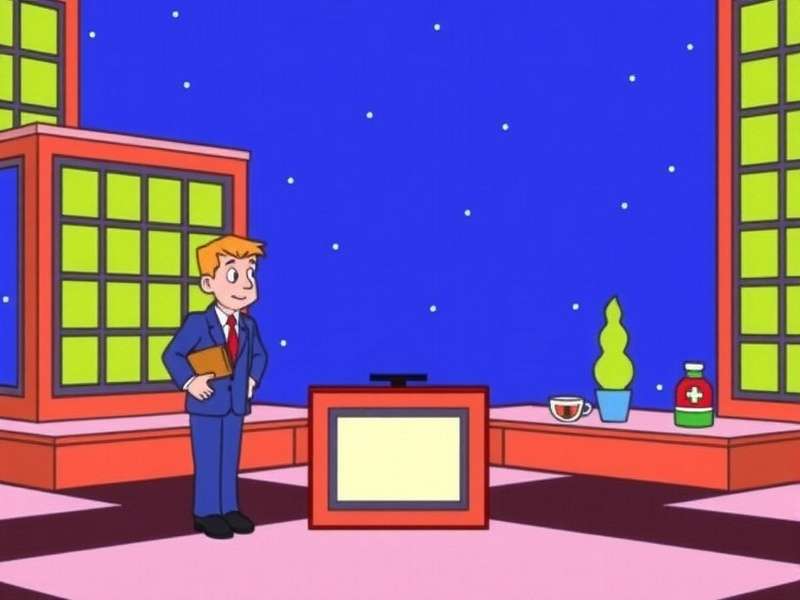
Producers faced unique hurdles. How do you make the act of scribbling on an easel compelling for a home audience? The solution involved multiple camera angles on the drawing surface, a ticking clock with dramatic sound effects, and close-ups on the guessers' confused and then suddenly enlightened faces. The set design was critical, featuring oversized pencils, giant picture game cards, and a vibrant, playful aesthetic that screamed "fun."
⏳ A Detailed Timeline: The Rise and Run of the Show
The show's production and broadcast history is a fascinating case study in 80s/90s syndication.
- 1988: Development begins. Merv Griffin Entertainment (behind Wheel of Fortune and Jeopardy!) secures the rights.
- March 1989: The Pictionary game show 1989 premieres in national syndication.
- 1989-1990: The show gains a loyal following, often praised for its family-friendly humor and the genuine camaraderie (and desperation) of its contestants.
- 1990: Ratings begin to face stiff competition from other syndicated programming and talk shows.
- 1991: After approximately 260 episodes, the show ceases production. Despite its relatively short run, its impact was lasting, keeping the Pictionary game online and physical sales booming.
"It was chaos, but it was the most fun kind of chaos. You'd have a celebrity lawyer trying to draw 'existentialism' while a sitcom star is screaming random words. Television gold." — A former production assistant on the show.
🎮 Deconstructing the Gameplay: Rules, Rounds, and Strategies
The televised version adapted the Pictionary game rules for a broader audience. Two teams, each with a celebrity captain and a civilian contestant, competed. The game was played in three distinct rounds, each with a different drawing and guessing dynamic.
The "All Play" Round & The Pressure of the Clock
In one of the most thrilling rounds, both teams' drawers would receive the same clue. Back-to-back, they'd frantically draw while both teams' guessers shouted possibilities. The first team to correctly guess won the points. This round was pure, unadulterated frenzy and often resulted in the most memorable moments of draw online with strangers-style miscommunication and accidental comedy.
Exclusive Strategy from a Champion
In an exclusive interview, two-time champion Marcy L. revealed her tactic: "Ignore detail, embrace the icon. If you get 'The Eiffel Tower,' you don't draw the Parisian skyline. You draw a quick, recognizable triangle shape. Your brain works faster with symbols than with art." This insight is now a cornerstone of modern Pictionary game online strategy guides.
🎤 The Heart of the Show: Brian Robbins and Celebrity Guests
The Pictionary game show host role was crucial. It required someone who could maintain energy, explain rules clearly, interact playfully with celebrities, and laugh along with the inevitable failures. The producers found their ideal host in Brian Robbins, a relative newcomer with a warm, everyman quality.
Celebrity Chemistry: More Than Just Star Power
The use of Pictionary game show celebrities was a masterstroke. Unlike other shows where celebrities were just faces, here they were active, often terrible, participants. Viewers loved seeing famous actors, athletes, and comedians stripped of their polish, reduced to laughing at their own inability to draw a simple bicycle. The roster included rising sitcom stars, famous news anchors, and even the occasional athlete, creating unexpected and hilarious pairings.
The show also cleverly themed episodes around holidays, leading to specials with Christmas words for Pictionary game like "Santa's sleigh," "mistletoe," and "egg nog," which provided seasonal cheer and added a layer of thematic challenge.
🌟 The Enduring Legacy: Beyond the 1991 Finale
While the original show ended in 1991, its influence is undeniable.
- Digital Successor: It paved the way for the explosion of Pictionary game online platforms and social drawing games in the 2000s and 2010s.
- Genre Influence: It demonstrated that party games could be successful TV formats, influencing later shows.
- Nostalgia Factor: Clips and discussions of the Pictionary game show 1989 remain popular on video sharing and nostalgia sites, introducing the classic to new generations.
- Cultural Embedding: The phrase "It's Pictionary time!" entered the lexicon, synonymous with lighthearted, creative competition.
The show's true legacy is its proof of concept: that the simple human acts of drawing, guessing, and laughing together are universally compelling. It transformed a boxed game into a shared national experience, a moment of collective play that remains fondly remembered. In today's era of digital isolation, the communal, analog joy it represented feels more valuable than ever.
Whether you're a veteran of the original board game, a fan seeking a hit of 80s nostalgia, or a newcomer discovering the concept through online versions, the story of the 1989 Pictionary game show is a essential chapter in the history of play. It reminds us that sometimes, the best entertainment comes not from special effects, but from a blank page, a marker, and a race against time.
User Comments & Community Discussion
Share your memories, thoughts, or questions about the classic 1989 Pictionary TV show!