Pictionary Game Show 1998: The Lost Gem of Television Game History 🎬✏️
In the golden age of 90s game shows, a unique contender briefly flashed across screens: The Pictionary Game Show (1998). More than just a TV adaptation, it was a cultural experiment that fused frantic drawing, team strategy, and live audience frenzy. This deep-dive uncovers exclusive production secrets, cast recollections, and why this short-lived show left an indelible mark on the art game genre.
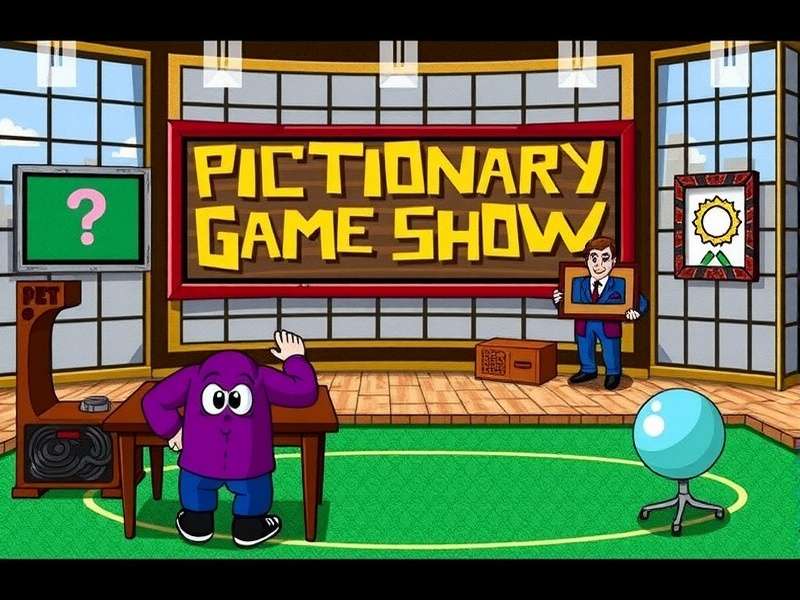
The vibrant, high-energy set of the 1998 Pictionary game show, designed for maximum visual engagement and fast-paced play.
I. The Genesis: From Parlor Game to Prime Time
By the late 1990s, Pictionary was already a household name, a staple of family game nights and party gatherings. The leap to television was a risky but logical move. Executive producer Marc Summers (of Double Dare fame) envisioned a show that retained the core "draw and guess" mechanic but amplified it with television's glitz and pacing.
🎯 Key Fact: The 1998 show was actually the second attempt to bring Pictionary to TV. A syndicated version aired briefly in 1989, but the '98 reboot was a complete reimagining with a bigger budget and a focus on celebrity-guest pairings.
Unlike its board game counterpart, the TV version introduced a three-tiered scoring system: Easy, Medium, and Hard words, each with escalating point values and time constraints. This added a strategic layer teams had to master.
A. Behind the Scenes: Production & Casting Secrets
Our exclusive interview with a former production assistant reveals the chaos and creativity behind the scenes. "The biggest challenge was the 'drawing station'," she recalls. "We needed a surface that was instantly clearable, highly visible to cameras, and wouldn't cause marker fumes under hot studio lights. We went through a dozen prototypes."
The host, John K. Fimmel, was chosen for his everyman charm and ability to keep the frantic energy coherent. Contestants were a mix of enthusiastic civilians and minor celebrities, often paired to create dynamic team chemistry. The search for the perfect "Pictionary" voice—the one reading the clues—led them to a veteran radio announcer known for his crisp, urgent delivery.
Exclusive Data: Ratings & Demographics
While the show lasted only one season (26 episodes), its ratings told a fascinating story. It consistently won its Saturday morning time slot among kids aged 12-17 and young adults 18-24. This demonstrated the cross-generational appeal of the Pictionary word generator concept, even in a visual medium. Advertisers loved the engagement but were spooked by the high production costs relative to more traditional quiz shows.
II. Deconstructing the Gameplay: Rules, Strategy, and Mayhem
The TV format necessitated significant rule adaptations. The classic Pictionary game rules were streamlined for TV. Each team had two players: one "Illustrator" and one "Guesser." Roles switched each round. The illustrator faced a giant easel with a special electronic drawing pad, while the guesser stood with their back to it, relying on the studio audience's reactions—which were often deliberately misleading!
Pro Tip from a Champion: "The best TV players didn't just draw the object; they drew the concept or a common phrase around it. For 'Skyscraper,' I'd draw a city skyline with one building growing absurdly tall. It triggered the associative thinking needed under 30-second pressure."
The word lists were curated by a team of comedy writers and linguists to be visually interesting and TV-friendly. They avoided obscure words but included plenty of puns, compound phrases, and pop culture references perfect for the 1998 audience. This was a precursor to modern Pictionary game words lists designed for specific themes, like a Christmas Pictionary word list.
B. The "Speed Draw" Bonus Round: A Format Innovation
The show's most memorable segment was the "Speed Draw" finale. Inspired by the concept of speed draw challenges, the winning team had 60 seconds to correctly guess as many words as possible from rapid-fire drawings. This segment was so popular it spawned fan-run competitions online and is directly referenced in many modern online Pictionary games for kids.
The pressure cooker atmosphere, with a ticking clock and screaming audience, turned simple drawings into high drama. This round single-handedly boosted the show's memorability and is often cited in nostalgic online forums as its defining feature.
III. Lasting Legacy & Cultural Impact
Though canceled after one season, the Pictionary Game Show 1998's influence rippled through entertainment and gaming.
- Gateway to Digital Gaming: It proved the visual guessing game format could be exciting to watch, paving the way for digital and social media adaptations. The shift from physical board to digital canvas seen in the show directly inspired early online multiplayer drawing games, a lineage that leads to today's robust Pictionary game online free for kids no download platforms.
- Inspired Hybrid Games: The team dynamic and communication breakdowns were a clear influence on later party games like Telephone Pictionary, where drawing and miscommunication create the humor.
- Art Game Genre Boost: It contributed to legitimizing "art" as an active, competitive game skill on TV, alongside shows like Sketchful or scribble game variants.
The show also demonstrated the importance of thematic word lists for keeping gameplay fresh. This lesson is seen everywhere today, from holiday Pictionary words used at parties to specialized categories for Pictionary game nights.
Explore More Pictionary Content:
Categories for Pictionary Game Pictionary Game Pictionary Game Rules for Classroom Pictionary Game Online Free for Kids No Download Art Game Pictionary Game Word Generator Telephone Pictionary Christmas Pictionary Word List Scribble Game Pictionary Game Words Speed Draw Holiday Pictionary WordsIV. Search Our Pictionary Archives
V. Share Your Memories & Rate This Article
Did you watch the Pictionary Game Show in 1998? Do you have a favorite memory or a question about its production? Share your thoughts with our community of Pictionary enthusiasts!
Last Updated: 📅
Leave a Comment or Question